Stocking Advice
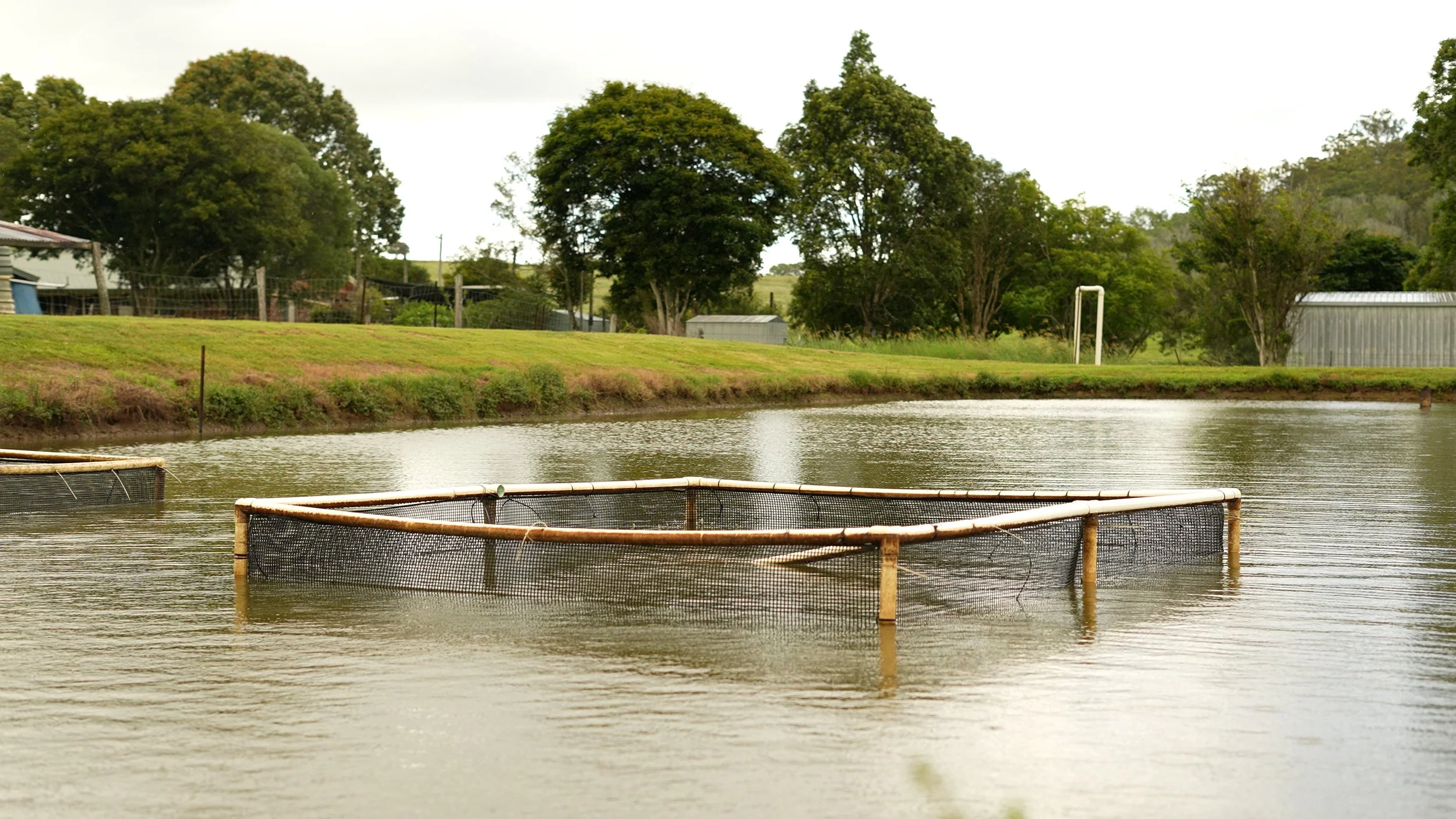
Successfully stocking a dam involves more than simply adding fish.
Key factors include:
Dam size and depth
Water quality
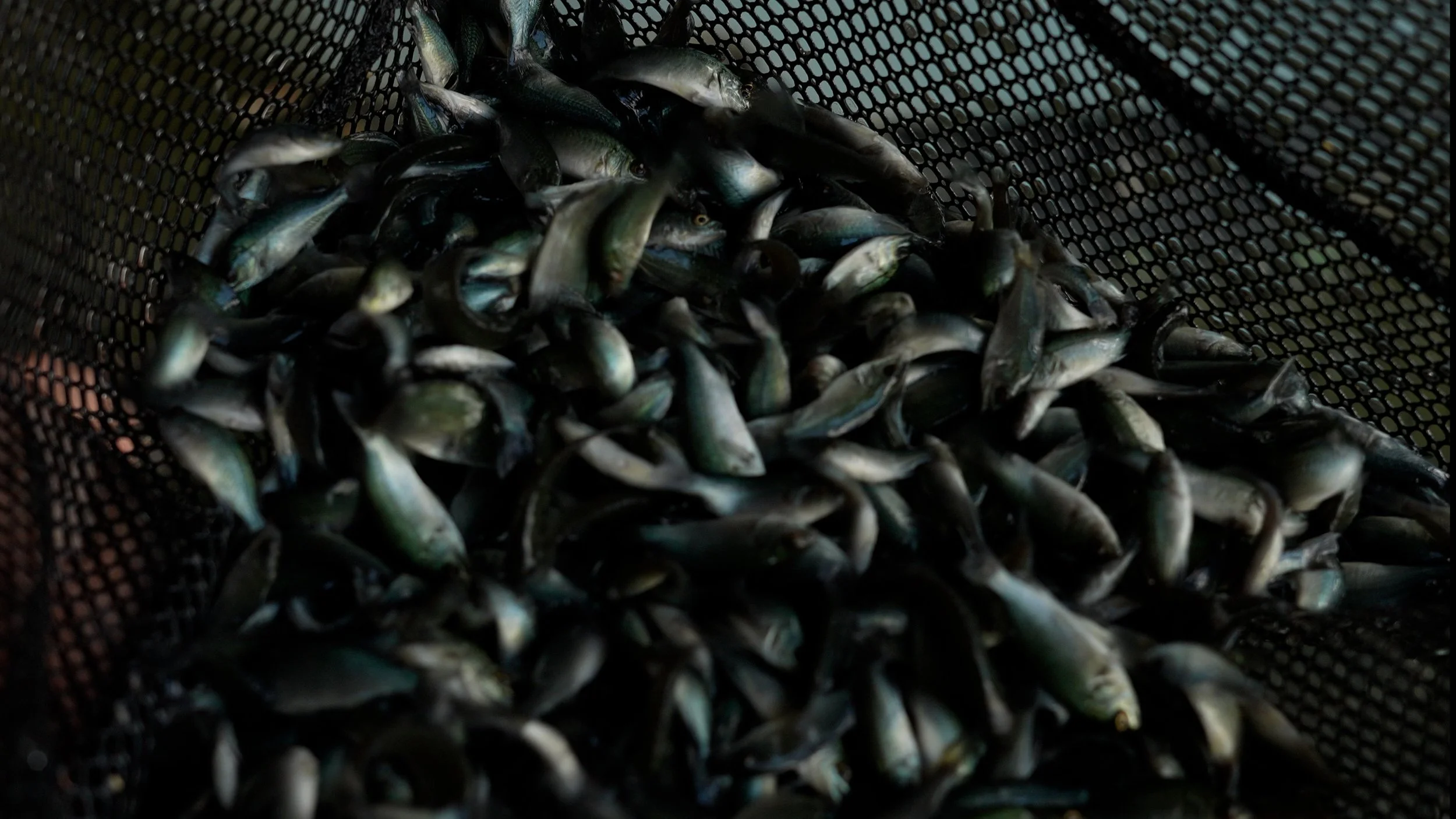
Species selection
Stocking density
Seasonal timing
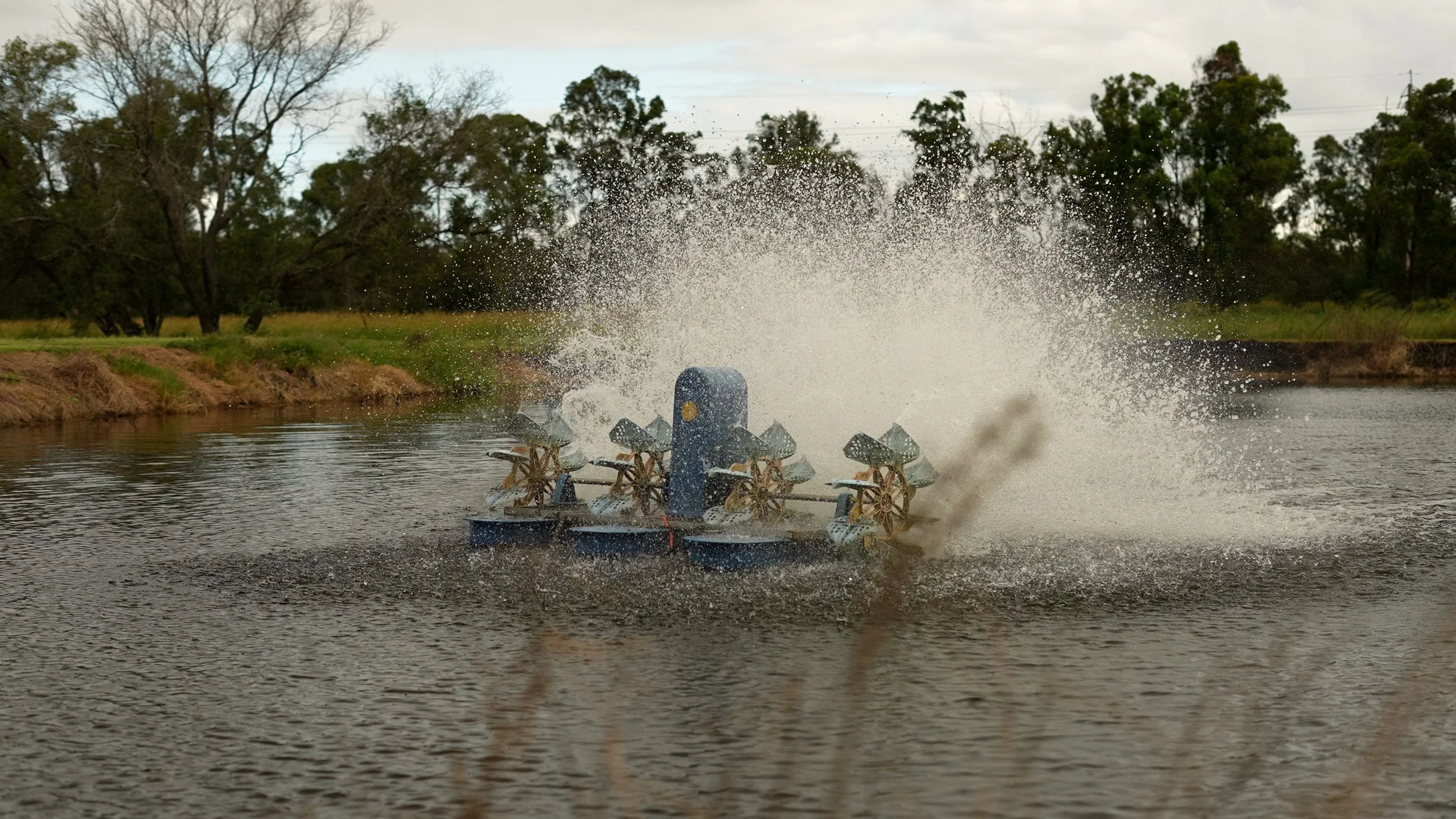
Managing water quality
We’re happy to discuss your dam and recommend suitable species and stocking rates based on your conditions.
1. Is Your Dam Suitable?
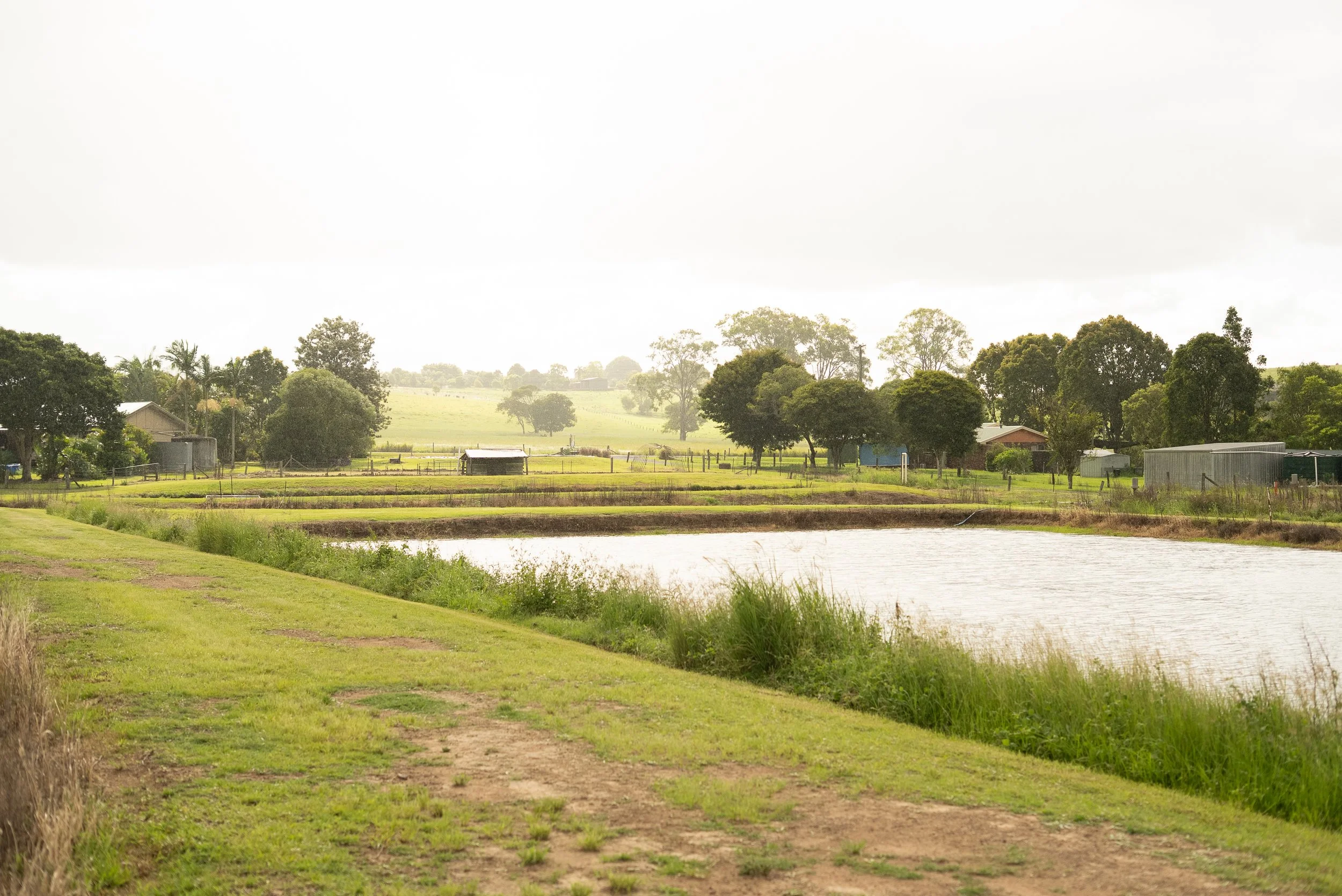
Your dam should have permanent water, reasonable depth, and minimal runoff contamination. Avoid stocking newly built dams until water quality stabilises.
2. Choosing the Right Species
Australian native fish are best suited to local conditions and regulations. Species selection depends on climate, dam size, and intended use (recreation, aquaponics, or general stocking).
3. Stocking Rates
Overstocking is the most common mistake. As a general guide, small private dams typically require conservative stocking numbers. We provide tailored recommendations based on your dam size and conditions.
4. Best Time to Stock
Spring and early summer are ideal, when water temperatures are stable and food availability is high.
5. Growing Healthy Fish
Maintain good water quality, avoid chemical runoff, and consider supplementary feeding where appropriate. Monitor fish growth and adjust stocking over time.
Need Advice?
Every dam is different. Contact us for practical guidance tailored to your property.